Food Around the World with Kids - Home Ed Edition
Reflecting back on this week’s episode of The BIG Home Ed Conversations Podcast… we pulled “Food Around the World” out of our topic-from-a-hat challenge.
And I’m not going to lie, I was excited about this one.
I’m a foodie. I love the stories behind food, the way it connects to culture, travel, history, geography, money, the planet… all of it.
But I also had that moment of: how do I do “food around the world” with two autistic children who are not exactly begging to try 47 new flavours this week?
So instead, we did what home ed does best. We followed curiosity. We kept it real. We let it go where it wanted to go.
Why we’re doing with this “topic from a hat” thing (and why you don’t need to copy it)
Quick reminder before I share what we did: this is just a bit of fun.
Ashley and I decided at the start of the season that we’d pick topics we don’t normally go “all in” on, and then we’d each explore them with our kids for the week.
And the rule is: we’re not allowed to talk to each other about what we’re doing during the week, because we don’t want to give each other ideas. We want to see where our brains naturally go.
But please hear me when I say this: you do not need to do a huge themed project every week to be “doing home ed properly”. This is not normal behaviour. This is us playing a game. It is fun… and it is also hard work.
So go gently. Take what you like. Leave the rest.
Ashley’s week: Romans, Iron Age food, and how food travels
Ashley had the dream set-up this week because she already had a field trip booked for the day after we recorded.
They went to Earth Trust in Reading, which is an archaeologically important site. There was a Roman settlement there, built on top of an Iron Age village.
And what was really cool is that the kids got to explore food through history in a way that felt real.
They talked about the types of foods the Romans brought and introduced to England, and the kids even got to sample things like rosemary and plums.
They also talked about how Iron Age diets were different, even though they had similar resources available.
And it kicked off bigger questions like:
- What foods weren’t originally in this country?
- How has food migrated over time?
- How is food woven into the history of the world?
That’s the bit I love about home ed. One good day out can open up a whole new rabbit hole.
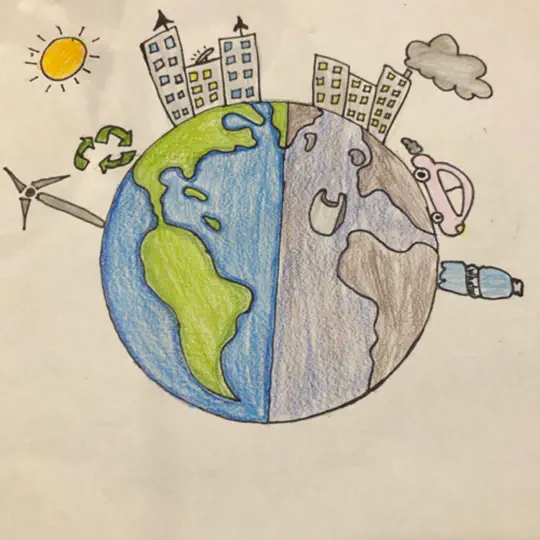
You may have figured out by now that Ashley and her kids love a podcast to listen to in the car! Here are her picks for this subject:




My week: animals, climates, and a globe on the table
We managed to get out too, which I was really happy about because my two learn best when they’re doing something physical and immersive.
We did a Junior Keeper Day at Hobbledown.
Honestly, it was incredible value. The kids spent about two hours with passionate, enthusiastic staff, feeding animals, asking questions, and getting properly stuck in.
We had to catch crickets and locusts in the food store room (yes, really) and put them in a pot to feed live to the monkeys and lemurs.
And as we went round, the staff were explaining where the animals come from and what they’d eat naturally in the wild and how they make sure they get the right nutrients and diversity in their diet in captivity.
That led to conversations around:
- Different climates
- Why hotter climates often have more fruit variety
- How habitats affect what’s available as food
Also… we saw and fed their baby capybara called spud, and I feel like that’s basically what everyone wants in life right now.
Humans, migration, and the “three grains” conversation
When we got home, we did our more “schooly” bit.
We got the globe out and the kids made me deeply satisfied by remembering where humans originated from, how we migrated around the world, and how people would have moved to keep food available - so glad the stone age topic of 2025 seems to have had an impact!
They remembered loads about:
- Seasons
- Climate
- Habitats
- Why people didn’t just stay in one place
And then we picked three main grains to focus on: corn, rice and wheat.
We talked about the climates they grow in, and why humans rely on them so much now.
We also did a grain word search I found online, and it made me realise there are so many grains I’ve never even heard of. So now we’re going to try and get hold of a few and taste them (if I can find them - and if anybody is actually willing once we put them on the table).
We watched good old Maddie Moate as well, and she had a lovely video about rice paddy fields in Bali. Her enthusiasm is beyond infectious! That was also really special for me because I went to Bali for my honeymoon, so I could actually share what it felt like to be there and see those fields in real life.
I love those moments in home ed where it’s not just “learning facts”… it’s sharing life.
Food miles: the breakfast that humbled me
This morning, right before recording, we did an activity on food miles.
We looked at what we ate for breakfast (eggs, sausages, toast, butter…), checked packaging, researched where things typically come from when it wasn’t clear, and tried to calculate how far it had travelled.
And I was honestly shocked.
Just our breakfast worked out as the equivalent of boiling the kettle 20 times.
That led to a really important conversation about:
- Eating local where possible
- Sustainability
- Carbon emissions
- Mass farming and habitat destruction
- Soil health (and how we’re basically killing it)
- Food waste and landfill
It’s one of those topics that starts off as “fun geography” and ends up as “oh… this is actually terrifying.”
And I think that’s okay.
Because our kids don’t need to be protected from reality forever. They just need it delivered gently, in a way they can process.
The bit that can feel scary (but matters)
Ashley and I also talked about how food isn’t just flavours and fun. It’s also poverty. Famine. Hunger. Access.
And I know that can feel like a hard conversation to bring up, especially with younger children.
But children can become activists. They can care deeply. And if they know something exists, they can start to think about what they might do about it.
Even if that’s just noticing the food donation drop at the supermarket… or being more mindful about waste at home.
A simple sensory activity that worked really well
Because my husband accidentally ripped the door off our spice cupboard (long story), the whole spice rack has been sat in my living room for weeks.
So we turned it into a sensory activity.
We opened jars, smelled spices, and talked about:
- What they smell like
- What foods we use them in
- Where they come from
The kids loved it and since recording, have asked about them a couple times, smelling others we didn't get to. And it reminded me again that learning doesn’t have to be complicated to be impactful and that the best resources are real, every day ones we take for granted or overlook.
I love a youtube video and a book as my go to resources!
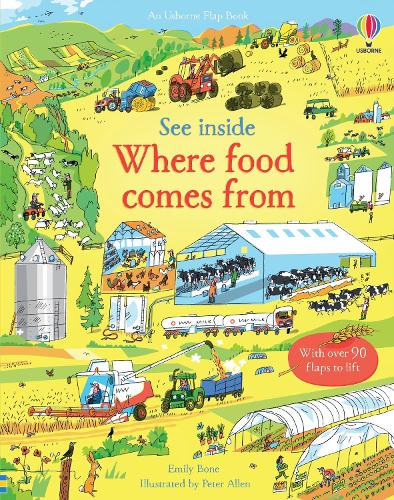
Here's a book, See Inside: Where Food Comes From - one I had already and we found useful as part of our chats this week!
So, if you want to try “Food Around the World” at home (without losing your mind)
Here are a few gentle ways in:
- Pick one staple food (rice, bread, potatoes, bananas) and follow it
- Do a food miles check on one meal
- Smell a few spices and find where they grow them on a map
- Visit a local farm shop and compare it to the supermarket
- Explore a culture through food without forcing your kids to eat it
And please remember: you don’t have to do it all in a week. You can stretch this topic out as long as you like and ultimately, weave it in to all the other areas of your life. Notice foods on your travels, marvel over new flavours at dinner.
Listen to The BIG Home Ed Conversations Podcast to find out what next weeks topic is going to be!
And if you try any of this at home, come and tell us what you did. We genuinely love hearing your ideas (and you always find things we haven’t!).
This season is sponsored by Strew, a home education logging app created by a home ed mum and her brother. We’ve been using it to track what we’re doing, and Ashley has especially loved the book-scanning feature for logging read-alouds and keeping track of her home library. If you want to try it, search “Strew Home Ed app” (iOS and Android) and use code bighomeed. This is a paid partnership.
This blog contains affiliate links to products, we may receive commission from you opting to purchase through them but it will not cost you more on your purchases.
Co-Host
Kelly Rigg is a home educating mum of two, neurodiversity coach, and co-host of the BIG Home Ed Conversations Podcast, created to support and empower parents who are home educating in the UK and beyond. Through honest, down-to-earth conversations, she helps families feel more confident in their choices, offering reassurance, mindset shifts, and practical encouragement for raising and learning outside the school system.
Raising Brave Kids: Activism, Justice and Quiet Protest


