Home Education does not need any authority but that of the child in question
We are in the age of information, data tracking is everywhere, from your supermarket shopping to where you travel regularly, to the way you spend your time.
Since Covid struck, thousands more families have chosen to home educate their children - some because they saw their children or family life was significantly better off, more relaxed, engaged with learning, some because of poor SEND support in most mainstream schools, some because their child was so at risk from safeguarding concerns - both physical and mental, that they needed to bring them home to protect them.
Our government currently seem hell bent on conformity, a 'standardised mediocrity' of curriculum, attendance and testing in schools, with their claims that our British schools are some of the best in the world, producing the best outcomes...when we are also experiencing high levels of youth unemployment, disillusionment and lethargy as our young people must jump through higher and higher academic hoops and see absolutely none of the benefit it gave earlier generations.
The government want to crack down on what they refer to as ghost children, 'not in school' insinuating that they are not receiving an education, that parents are guilty until proven innocent of not providing a suitable education or opportunity for their children in home-learning or alternative provision placements. They want oversight, they want to be in control.
There is a reason we have fought back on 'not in school' registers, data collected about us as families, about how our children are receiving an education. The Children's Wellbeing and Schools Bill still needs fighting, educate your MPs. If you don't yet fully understand why this is so important, then please read on and I will do my best to explain it.
First of all - lets ask the question of why they want this register in the first place?
An official 'Children Not in School Register' is being promoted as a child welfare measure, one to make sure they know where every child is. The reality is, it stems from the same fears as the attendance propaganda. The register's purpose is to regain some educational control over parents choosing to abandon use of mainstream schools.
This register will go no way to assuage those fears, it is simply a grab for control, meaning chances are, further control will follow.
1. Loss of Autonomy for Parents
This register will almost definitely lead to more government oversight into the education choices of families, and families may feel pressured to conform to mainstream education standards, even if those don't align with their child's learning style or needs.
2. Misunderstanding of Home Education
Authorities will never fully understand or appreciate diverse home education methods. Parents who choose to home educate often want to free their children from the life-sucking experience of comparison and educational competition - Home Education cannot be judged based on metrics like test scores alone.
3. Potential for Misuse or Discrimination
Families with children who have special educational needs (SEND) may face increased scrutiny if they don't meet conventional standards, even if their child is thriving in a non-traditional setup. Minority groups or those with alternative lifestyles could face bias or unfair treatment.
4. Impact on Mental Well-being
The obligation to register, report progress and endlessly fear further measures coming into place will create stress and anxiety for parents, especially those already navigating challenges like SEND or societal stigma.
5. Risk of Overreach
A register might start as a simple list but could devolve our rights back into mandatory inspections, assessments, or requirements that undermine the flexibility and intention of home education. When our government demonstrates a lack of trust in us as parents, it is only normal that we will feel distrustful of the government's intentions.
6. Administrative Burden
The government might direct resources toward managing the register rather than providing meaningful support to home-educating families.
7. Chilling Effect on Home Education
The perceived risks and increased regulation will discourage families from choosing home education, even if it's the best option for their children. Families may worry about unintentionally falling afoul of regulations, leading to punitive measures.
8. Data Security Concerns
Storing information about children and families in a centralized register raises concerns about data breaches or misuse of sensitive information, and families may worry about being unfairly labelled or flagged for choosing alternative education methods.
Summary
Home Education is not illegal, it is as valid as a mainstream school education and yet the prejudice and fear shown towards it demonstrates that our government view their lack of oversight over it a safeguarding risk.
Home education is, in most cases, an empowering family belief system that emphasises individual skill and interests contributing to a wider community, life long learning, compassion, critical thinking and the simple act of learning as its foundation.
Home Education does not need any authority but that of the child in question, and I dare any government official to ask any home educated child whether they actually want the measures they want to put into place.
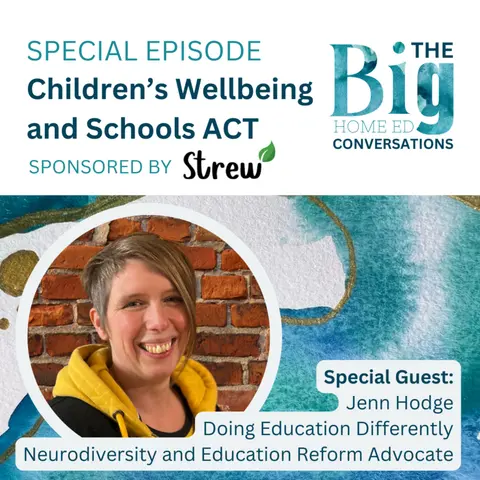
We talk about this and the Children's Wellbeing and Schools Bill in more depth over on The BIG Home Ed Conversations podcast — also on Apple Podcasts and Spotify, and follow along on Instagram and TikTok @bighomeedpodcast.
If you'd like support navigating your rights as a home educating family, find out more about working with me at kellyrigg.mykajabi.com.

Season 6 is here: The Tricky Bits of Home Ed (starting with our September brain chaos)