'What is Home Education?' and other key terms!
If you are finding yourself googling this, chances are you are supporting a child or multiple children as a parent, grandparent, teacher - and you are wanting to ensure that you understand what Home Education really means, what it looks like, what all the jargon around it means. Let's get you completely clued up!
Home Schooling vs Home Education
In the UK, we call Elective Home Education, EHE, the act of a parent/direct carer choosing to educate their child themselves. They will not send them to a government school or private education facilities. They may, however, enlist online schools, curriculums, tutors, educational groups to support and facilitate learning.
Home Schooling is the term used for EHE in America. Home Schooling is often used by parents, teachers and other organisations meaning EHE but we prefer the term Home Education as it ensures an understanding that education can look a lot different to school and most home educators will not educate using a 'school at home' method.
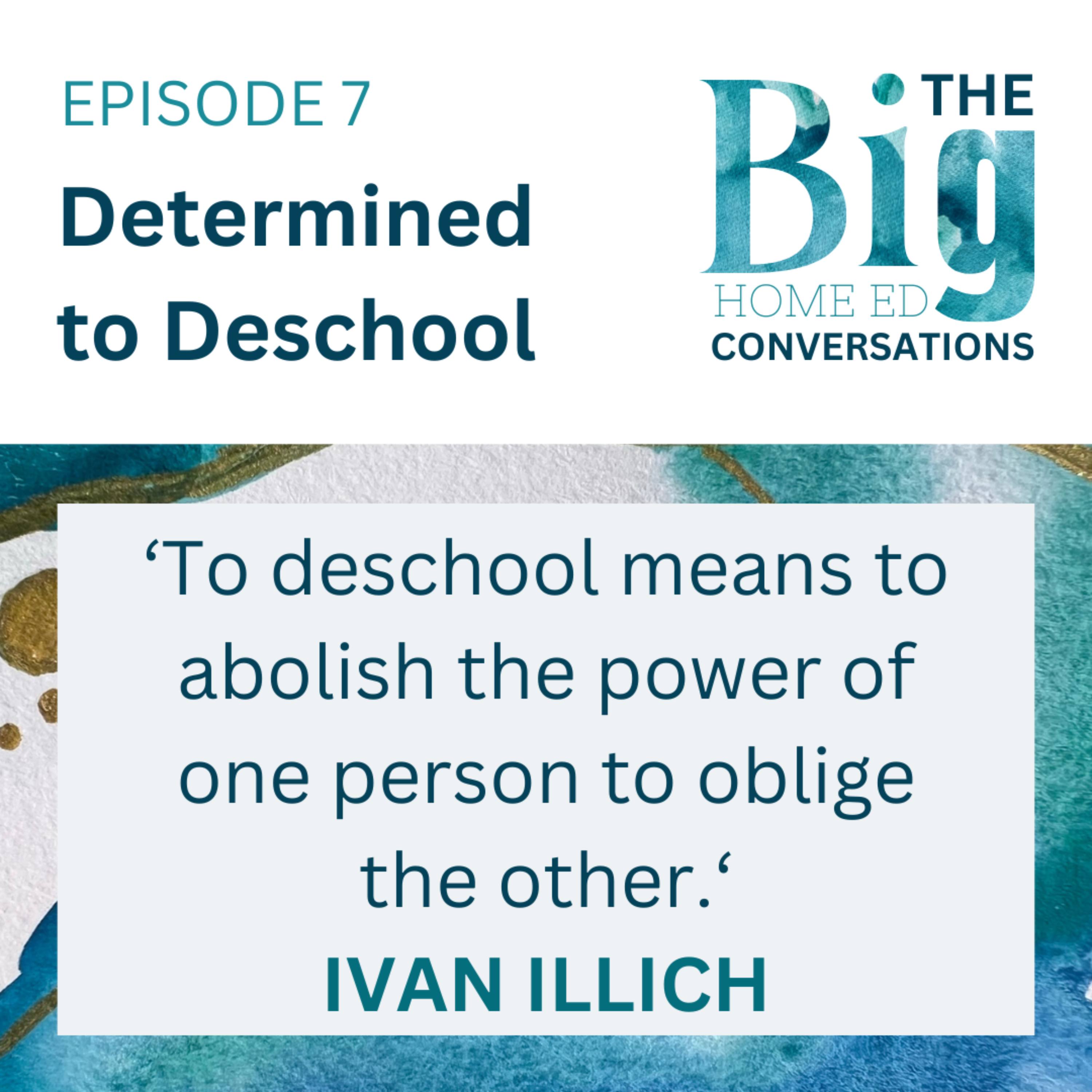
Deschooling vs Unschooling
Here is another set of words that I see people muddling around all the time too! These are both very different things.
Unschooling is a type of child-led educational philosophy that allows the child to guide the parent on what they would like to learn about, specialise in, build skills in, etc. Contrary to popular belief, unschooling is not simply letting a child get on with educating themselves without input - it is a deeply connected and collaborative way of educating that builds on mutual respect.
Deschooling is the act of recognising and eradicating our own internal limiting beliefs, behaviours, fears, etc that come from being schooled. The act of deschooling is truly the beginning of embracing critical thinking - starting to ask 'why do I think that?' and 'is it actually true or just what people think?'
Curriculum vs. Resources
Put simply, a curriculum is a guide - often including activities, worksheets, books, lesson plans that help you to 'teach' a certain subject. These can be really helpful for areas you aren't particularly clued up on, though it is important to be critical of curriculums you purchase - research the author, research the topic a bit and see what you can find.
Resources can mean anything that helps you with home education - books, tv, workbooks, podcasts, libraries, museums, experts, etc! They are usually found and researched by you or your community.
Teaching vs Facilitating
This one is important as so often we don't realise that as a home educating parent, we are not our child's 'teacher'. Home Educators are facilitators of their child's learning - we observe, we guide, we create opportunity, we help them learn how to find answers to their questions, we speak to them as equals in their endeavours, we learn alongside them.
If you are considering starting out in home education and are finding the steep learning curve overwhelming then reach out - I am a home educating parent myself, and trained motherhood empowerment coach. I offer support to families as a Home Education consultant, mentor and coach to help you make the transition to home education with confidence, and find freedom, joy and lifestyle shifts that make your whole family happier and more empowered.
Find out more about working with me at kellyrigg.mykajabi.com, and hear more real conversations over on The BIG Home Ed Conversations podcast — also on Apple Podcasts and Spotify, and follow along on Instagram and TikTok @bighomeedpodcast.
Season 6 is here: The Tricky Bits of Home Ed (starting with our September brain chaos)